Strategy Spikes
One-day decision and alignment workshops for senior teams
Strategy Spikes are the fastest, lowest-commitment way to get real strategic value from the Spike range.
They are one-day working sessions designed to help senior teams reach a clear decision on a single question — before more time, money, or momentum is spent in the wrong direction.
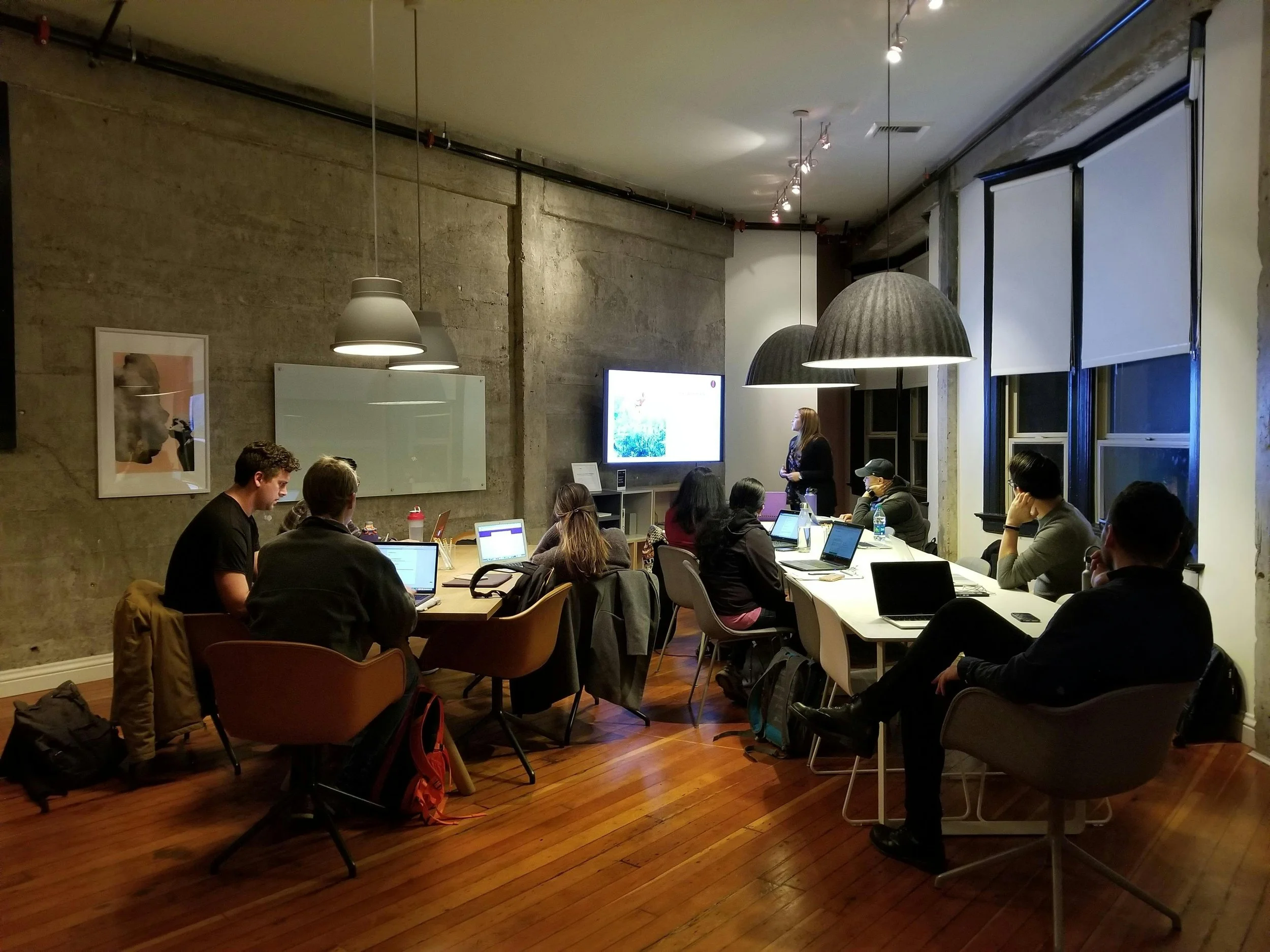
Designed for a small group of decision-makers, stakeholders, and subject-matter experts, Strategy Spikes replace weeks of meetings, rework, and circular debate with focused progress in a single day.
This isn’t strategy theatre or open-ended consulting.
It’s a tightly facilitated, senior-led working session that makes trade-offs explicit and leaves you with a clear decision, defined ownership, and a practical action plan — fast.
Best used when you need to:
choose between a small number of viable options
prioritise a roadmap, initiative list, or investment
sharpen or pressure-test an existing direction
frame an opportunity before committing more time or money
clarify ownership and next steps around a leadership or organisational issue
prepare a clearer narrative for execs, boards, or investors
How it works
We bring a small, focused group into a single working day (typically 5–8 people).
The day is designed in advance around your specific question, then facilitated to move deliberately from problem framing → options → trade-offs → decision → next steps.
AI tools are used during the day to accelerate synthesis, explore alternatives, and stress-test thinking — without replacing judgement or experience.
What you leave with
A clear, shared definition of the problem you’re solving
The viable options and their explicit trade-offs
A clear decision — or the top two paths with agreed criteria
A 30–60 day action plan with owners and success signals
A concise written summary, delivered within 48 hours
What we need from you
-
✺ People
About 5-8 willing participants.
This should be a mix of decision makers and SMEs.
This should include whoever needs to make, own or approve the decision, any key stakeholders whose input and buy-in is important, any SMEs who can help inform and validate decisions.
-
✺ Time
A full two days of the group’s time and attention.
An in-person meeting works best for most cases, and is easier on the participants - but if that’s impossible for your organisation, we can work with you to organise a different structure remotely.
-
✺ Information
Part of the process is a deep-dive - so we’ll also ask for some background information and details- or experts who can pop in and provide this.
We can synthesise this ready for the session - but we’ll ask you to share what you can in advance for efficiency.
Why a Strategy Spike?
Built on a Proven Framework — Reworked for a One-Day Strategy Spike
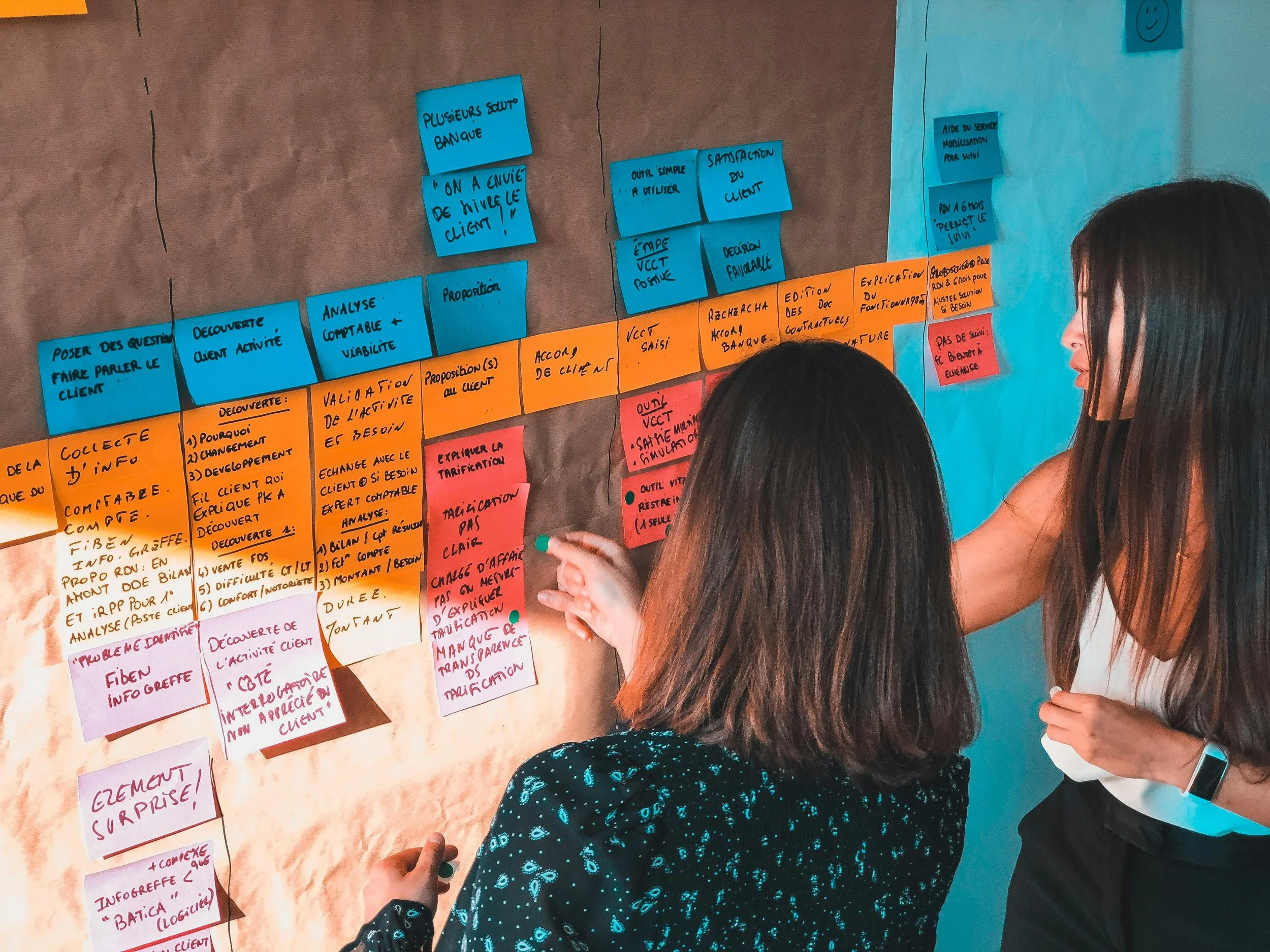
The original Design Sprint framework, developed at Google Ventures, was created to help teams move quickly from ambiguity to confident decisions through structured ideation, prioritisation, exploration, and validation.
A one-day Strategy Spike applies those same core disciplines to strategic decision-making.
Instead of designing products, the day is structured around clarifying the real question, generating and stress-testing options, prioritising what matters most, and validating assumptions with available evidence and expertise. The format is compressed into a single, focused day with a small group of decision-makers and subject-matter experts.
Modern AI tools are used to accelerate research, scenario exploration, synthesis, and documentation — allowing the group to move faster without sacrificing rigour or ownership.
The outcome is a clear strategic decision, a shared rationale, and an agreed set of next steps by the end of the day.

The AI Difference
AI doesn’t just make a Strategy Spike faster — it makes it deeper. It expands the team’s perspective by surfacing options, patterns, risks, and trade-offs that are easy to miss in a typical strategic discussion.
During the day, AI is used to widen thinking during ideation, sharpen how the problem and decision criteria are defined, and help explore multiple strategic angles before converging on a direction.
It supports clearer prioritisation by combining human judgement with structured, evidence-informed reasoning — making trade-offs more explicit rather than implicit.
AI also strengthens planning and communication by reducing cognitive bias, stress-testing assumptions, and synthesising outcomes into clear, usable outputs. The result isn’t just speed, but better-quality thinking, greater confidence in the decision, and stronger alignment around what happens next.